

There’s a moment in every traveler’s journey when the constant motion starts to feel less like freedom and more like floating. You’ve collected passport stamps, tasted street food across continents, and slept in hostels from Bangkok to Barcelona. But somewhere between the adventure and the return flights, a question starts nagging at you: What if I actually stayed somewhere?
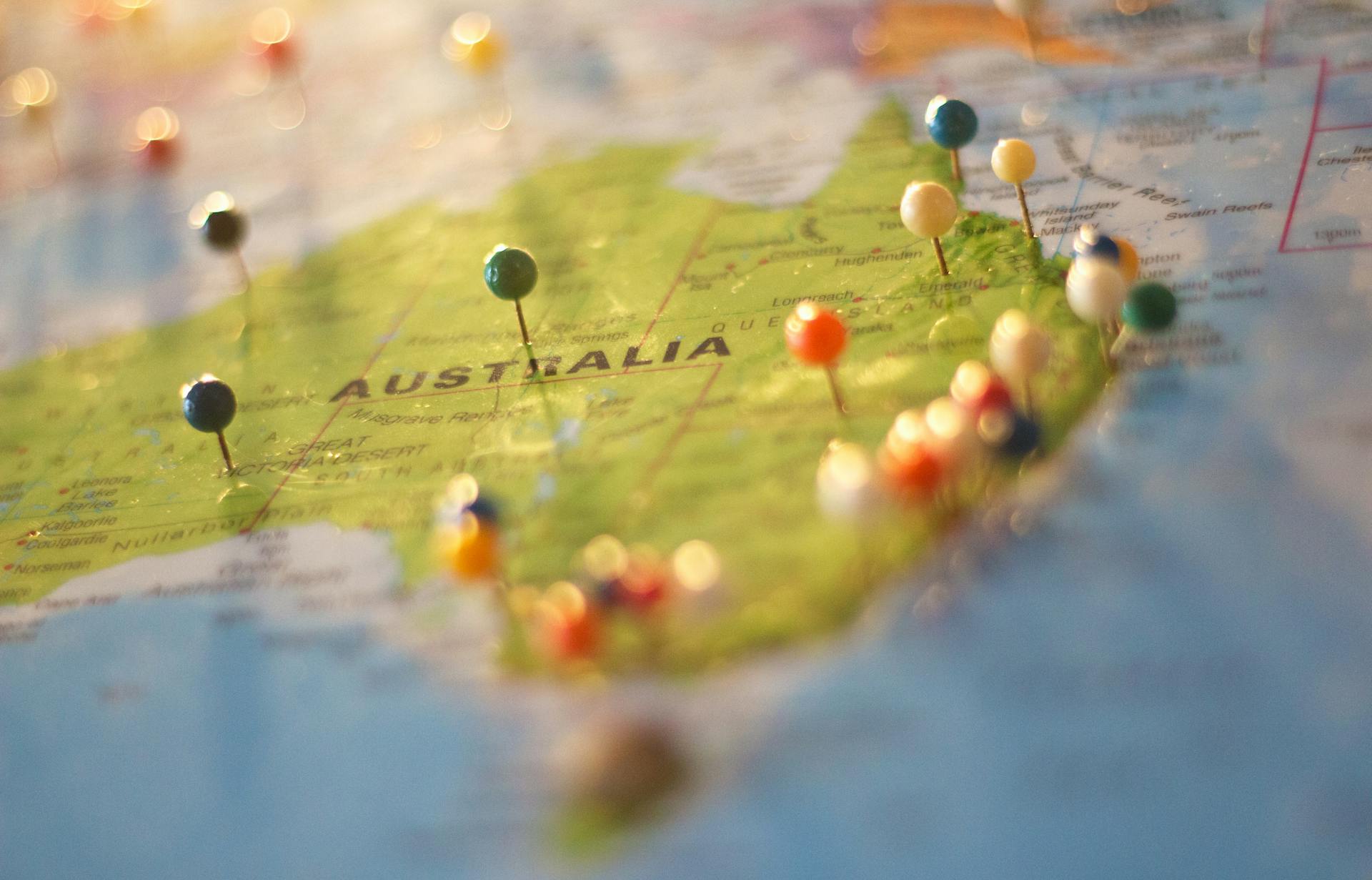
For many modern wanderers, Australia and New Zealand have become the answer to that question. These countries offer the perfect blend of natural beauty, economic opportunities, and high-quality lifestyles that transform temporary visitors into permanent residents. But making the leap from backpacker to homeowner, from tourist to local, requires more than just a visa and good intentions. It demands careful planning, realistic expectations, and a willingness to tackle challenges you never faced while living out of a carry-on.
This isn’t another “top ten beaches” listicle or “how to work holiday” guide. Instead, let’s talk about the real, practical side of putting down roots in a new country—the unglamorous but essential steps that transform a geographical move into an actual life. Because settling down doesn’t mean giving up adventure; it means building a foundation stable enough to support all your future ones.
The Reality Check: What Moving Actually Involves
Before you start romanticizing your new life in Queenstown or Perth, let’s be honest about what international relocation actually entails. Social media showcases sunset photos and beach days, but nobody posts about customs paperwork or the stress of coordinating shipping containers across hemispheres.
Moving countries is fundamentally different from moving cities. You’re not just changing your address; you’re rebuilding your entire support system from scratch. That reliable plumber you had on speed dial? Gone. Your favorite café where they know your order? Doesn’t exist yet. The network of friends and family who could help you move a couch? You’ll need to build that organically over months or years.
The financial reality hits differently, too. Most people drastically underestimate moving costs, focusing only on flights and initial accommodation while forgetting about the thousand small expenses that accumulate: replacing electrical adapters for all your devices, buying new work clothes that suit the climate, replacing furniture that couldn’t make the journey, establishing new insurance policies, and dealing with unexpected medical costs before your healthcare coverage kicks in.
And then there’s the emotional toll that nobody warns you about. Homesickness doesn’t announce itself with fanfare; it sneaks up during mundane moments. You’ll be standing in a supermarket, unable to find a familiar brand of cereal, and suddenly feel overwhelmingly disconnected. These moments are normal, expected even, but they’re rarely discussed in relocation guides that focus on logistics rather than psychology.
Getting Your Belongings There: The Moving Logistics Game
Once you’ve decided to relocate, the first major hurdle is figuring out what comes with you and how it gets there. This is where many people make expensive mistakes by either shipping too much or too little, or by choosing the wrong transportation methods entirely.
For international moves, particularly to island nations like Australia and New Zealand, you have three basic options: take everything you can carry on the plane, ship items via sea freight, or air freight the essentials while leaving the rest behind. Each approach has distinct advantages and drawbacks that depend entirely on your circumstances.
Air freight is fast—typically 5-10 days—but prohibitively expensive for anything beyond absolute essentials. Sea freight is more economical for larger volumes but requires patience, often taking 6-10 weeks depending on your origin country. Most successful relocations involve a hybrid approach: flying with important documents, initial clothing, and electronics, while shipping household goods and sentimental items via sea.
The critical factor many people overlook is choosing reliable, experienced logistics services that understand the specific requirements of shipping to Oceania. Customs regulations in Australia and New Zealand are notoriously strict, particularly regarding biosecurity. Wooden furniture needs treatment certificates, foods are heavily restricted, and even seemingly innocent items like hiking boots might require declaration and cleaning if they’ve been used outdoors elsewhere.
Professional international moving companies handle these complications daily, but they’re not all created equal. Look for providers with specific experience in your destination country, transparent pricing that includes insurance and customs brokerage, and positive reviews from other international movers. The cheapest option usually becomes the most expensive when hidden fees appear or your belongings arrive damaged because proper packing materials weren’t used.
Timing matters too. Plan your shipment to arrive after you do, but not too long after. Arriving in a new country with literally nothing but suitcases while waiting two months for your container to clear customs creates unnecessary stress. Ideally, your shipment should arrive within 2-4 weeks of your landing, giving you time to secure temporary accommodation and open a bank account, but not leaving you sleeping on air mattresses indefinitely.

Creating Your Sanctuary: The Home Establishment Phase
You’ve arrived, your belongings have cleared customs, and now comes the exciting part: finding and establishing your actual home. This phase transforms you from a visitor with an address into someone who genuinely lives somewhere.
The initial temptation is to rent short-term while you “figure things out,” but this approach often extends indefinitely, leaving you in a state of perpetual impermanence. If your move is genuinely long-term, prioritize finding a proper rental or, if financially viable, purchasing property within your first year. This psychological shift from temporary to permanent significantly impacts your integration into the community and your overall happiness.
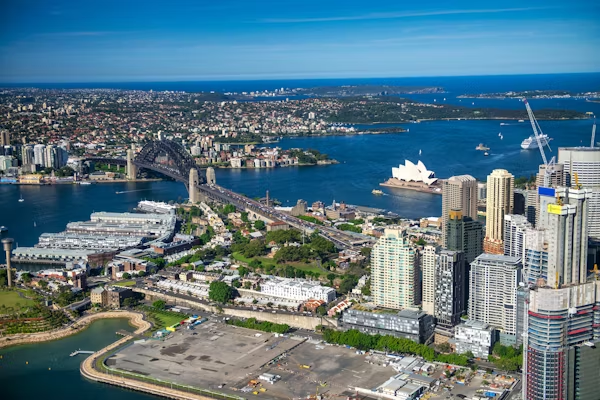
New Zealand’s housing market, particularly in cities like Auckland and Wellington, presents unique challenges. Properties move quickly, competition is fierce, and rental inspections can feel more intense than job interviews. Australian cities like Melbourne and Sydney face similar pressures. Coming from overseas puts you at a disadvantage initially—no local rental history, no established references, possibly no credit history in the country. Combat this by being exceptionally prepared: have your documentation organized, offer to pay additional months upfront if necessary, and be ready to make quick decisions on properties that meet your needs.
Once you secure a place, you’ll inevitably discover it needs work. Very few rentals or purchases are truly move-in ready. That perfect weatherboard cottage with character charm probably has drafty windows. The modern apartment with harbor views might have plumbing issues. The suburban house with a garden definitely has something needing attention.
For properties with aging roofs—common in New Zealand’s older housing stock—addressing roofing issues quickly prevents minor problems from becoming major disasters. The country’s high rainfall, particularly in regions like Auckland and Wellington, makes a solid roof non-negotiable. When you notice missing tiles, rust spots, or interior water stains, connecting with experienced reroofing contractors becomes essential. New Zealand’s climate is particularly harsh on roofing materials, with intense UV exposure, heavy rain, and in some areas, snow and ice. Regular maintenance and timely replacement protect your investment and prevent the cascading water damage that can destroy ceilings, walls, and personal belongings.
Whether renting or owning, understanding your rights and responsibilities regarding property maintenance matters. In rental situations, landlords are legally required to maintain the property to specific standards, including weathertightness. In New Zealand, the Healthy Homes standards mandate minimum requirements for heating, insulation, ventilation, moisture, and drainage. Don’t accept a substandard living situation simply because you’re new to the country—know your rights and exercise them.

Building Your Foundation: Practical Setup for Long-Term Success
A house becomes a home through the unglamorous accumulation of systems and routines. You need reliable tradespeople, functioning infrastructure, and the right tools—both literal and metaphorical—to handle life’s inevitable challenges.
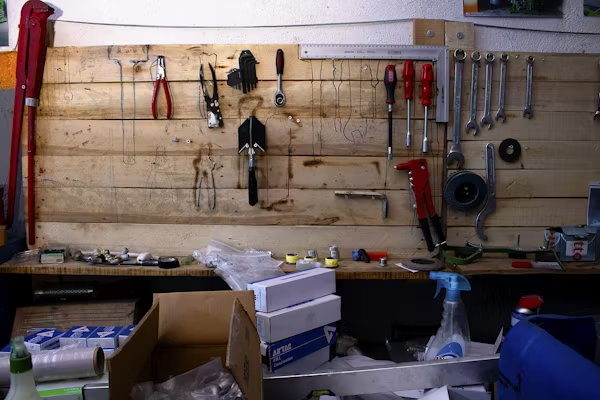
For those establishing not just homes but also work lives—particularly tradies, contractors, or anyone whose livelihood depends on having tools readily accessible—proper equipment storage becomes crucial. Australia’s ute culture isn’t just about loving pickup trucks; it’s deeply practical for a country where distances are vast and job sites are spread out. A quality ute toolbox transforms a vehicle into a mobile workshop, protecting expensive tools from weather and theft while keeping everything organized and accessible. Whether you’re a professional tradesperson, a weekend DIY enthusiast, or someone who simply likes being prepared for anything, investing in proper tool storage pays dividends through efficiency and equipment longevity.
The broader principle here is intentionality. Temporary living means making do with whatever’s convenient in the moment. Permanent living means setting up systems that work long-term. This applies to everything from kitchen organization to financial planning. Open local bank accounts and credit cards to build local credit history. Register with a local GP and dentist before you need them urgently. Join community groups, sporting clubs, or hobby organizations to build social connections. These steps feel less urgent than finding furniture or sorting out the internet, but they’re ultimately more important for long-term wellbeing.
The Cultural Integration Challenge
Physical relocation is straightforward compared to cultural integration. You can hire movers to transport your belongings; you can’t hire someone to help you understand local humor, navigate unspoken social rules, or decode the phrase “yeah, nah” in its seventeen different contextual meanings.
Both Australia and New Zealand pride themselves on being welcoming, multicultural societies, and generally, they are. But integration requires active effort from newcomers. The locals won’t come knocking on your door to invite you to the neighborhood barbecue; you need to create opportunities for connection. This means saying yes to invitations even when you’re tired, showing up to community events even when you’d rather stay home, and being genuinely curious about local culture rather than constantly comparing everything to “how we do it back home.”
Language barriers exist even among native English speakers. Regional dialects, slang, cultural references, and communication styles vary significantly. Kiwis tend toward understatement and self-deprecating humor. Australians are more direct but often use hyperbole and sarcasm. Americans, Brits, and Canadians relocating to either country often experience unexpected communication miscues, despite technically speaking the same language.
Food culture shifts, too. Your comfort foods might not exist here, or they’ll be available only at specialty import stores for triple the price. This is where you decide whether you’ll spend energy seeking out familiar items or embrace local alternatives. The most successfully integrated expats tend toward the latter, discovering new favorites rather than mourning old ones.
Work culture varies as well, though perhaps less dramatically than stereotypes suggest. The fabled “work-life balance” of Australia and New Zealand is real but manifests differently across industries and employers. Don’t expect to transplant your career exactly as it was; be prepared to adapt to local workplace norms, potentially take a step back before moving forward, and possibly pursue opportunities you never considered in your home country.
Financial Realities and Long-Term Planning
Nobody likes talking about money, but international relocation forces the conversation. You need more cash reserves than you think, both for the move itself and for establishing yourself afterward. Financial advisors typically recommend having 6-12 months of living expenses saved before an international move, but even that assumes everything goes relatively smoothly.
Your existing credit history doesn’t transfer internationally. In your new country, you’re financially starting from scratch, regardless of your previous financial sophistication. Building credit takes time, which affects your ability to secure rental properties, get mobile phone contracts, or eventually purchase property. Start this process immediately by opening local accounts, applying for a local credit card (even with a low limit), and ensuring bills are paid on time to establish a positive history.
Tax implications of international moves are complex and frequently misunderstood. You might face obligations in both your origin country and the new country during the transition years. Depending on citizenship and residency status, you might have ongoing tax obligations in your home country even after permanently relocating. Professional tax advice from someone experienced in international taxation isn’t optional; it’s essential for avoiding expensive mistakes.
Retirement planning becomes more complicated when you’ve worked in multiple countries. Understanding how pension systems interact—or don’t interact—between nations requires research. Some countries have social security agreements that allow you to combine contributions; others don’t. The years you spend establishing yourself in a new country might create gaps in your retirement planning that need to be addressed proactively.
When Homesickness Hits
Everyone experiences it, though it manifests differently for different people. For some, it’s acute and overwhelming in the first months. For others, it’s a low-grade background hum that persists for years. And for many, it arrives unexpectedly during the second year, after the excitement of newness has worn off but before you’ve fully integrated.
The cure isn’t trying to recreate your old life in a new location. That approach leaves you perpetually disappointed by the ways your new home fails to match the old one. Instead, the path forward involves building a new life that acknowledges your past without being trapped by it. You’re not abandoning where you came from; you’re expanding who you are.
Start building your network of trusted service providers immediately. Before you desperately need them at 10 PM on a Sunday, identify a reliable electrician, a responsive plumber, a competent mechanic, and a good GP. In New Zealand’s smaller communities, these relationships matter enormously. Your plumber isn’t just a service provider; they’re often a neighbor, and their reputation is built on decades of reliable work within a tight-knit community.
When plumbing issues arise—and they will—having established relationships means faster response times and better service. In cities like Auckland, particularly across the North Shore region, where a mix of older and newer properties creates diverse plumbing challenges, knowing experienced plumbers in North Shore City who understand local infrastructure quirks saves immense stress. From burst pipes during winter cold snaps to water pressure issues in hilly suburbs, local expertise matters more than you’d expect.
Stay connected to home, but don’t live there digitally. Video calls with family and friends are wonderful, but if you’re spending every evening on your computer talking to people in different time zones, you’re not present in your new life. Find balance between maintaining important relationships and creating space for new ones to develop.
Recognize that your relationship with your home country will change. When you visit, things that once felt normal might now seem strange. You’ve changed, your perspective has shifted, and that’s not betrayal—it’s growth. Some friendships will fade despite best intentions; others will strengthen in unexpected ways. Your home country continues evolving without you, just as you’re evolving without it.
The Unexpected Gifts
For all the challenges—and there are many—international relocation offers rewards that people who’ve never done it can’t fully appreciate. You develop resilience and adaptability that translate across all areas of life. Problems that would have paralyzed you before become merely inconvenient. You learn to be resourceful, to ask for help, and to extend help to others in similar situations.
You discover capabilities you didn’t know you had. People who thought they were shy find themselves initiating conversations with strangers out of necessity. Those who considered themselves helpless with practical tasks learn to change washers on taps and reset circuit breakers. The competence you develop through necessity becomes genuine confidence.
And perhaps most valuably, you learn to distinguish between what’s essential to your identity and what was merely circumstantial based on where you happened to be born. You carry forward the things that truly matter while releasing constraints you didn’t realize you’d internalized. This clarity is available through other life experiences, certainly, but international relocation accelerates the process dramatically.
Moving Forward
Relocating internationally, particularly to somewhere as geographically and culturally distinct as Australia or New Zealand, represents one of life’s more significant undertakings. It’s complicated, expensive, emotionally demanding, and occasionally overwhelming. It will test your patience, challenge your assumptions, and push you outside every comfort zone you’ve carefully constructed.
It’s also one of the best decisions you’ll ever make—if you approach it with realistic expectations, thorough preparation, and genuine commitment to building a life rather than just changing addresses. The difference between people who thrive after international moves and those who struggle isn’t about luck or resources; it’s about mindset and intentionality.
Success doesn’t mean never questioning your decision or never missing home. It means your wanderlust doesn’t disappear when you establish roots; it just evolves into something richer and more sustainable. You trade the temporary high of constant novelty for the deeper satisfaction of genuine belonging. And that, ultimately, makes all the logistics, expenses, and challenges worthwhile.