

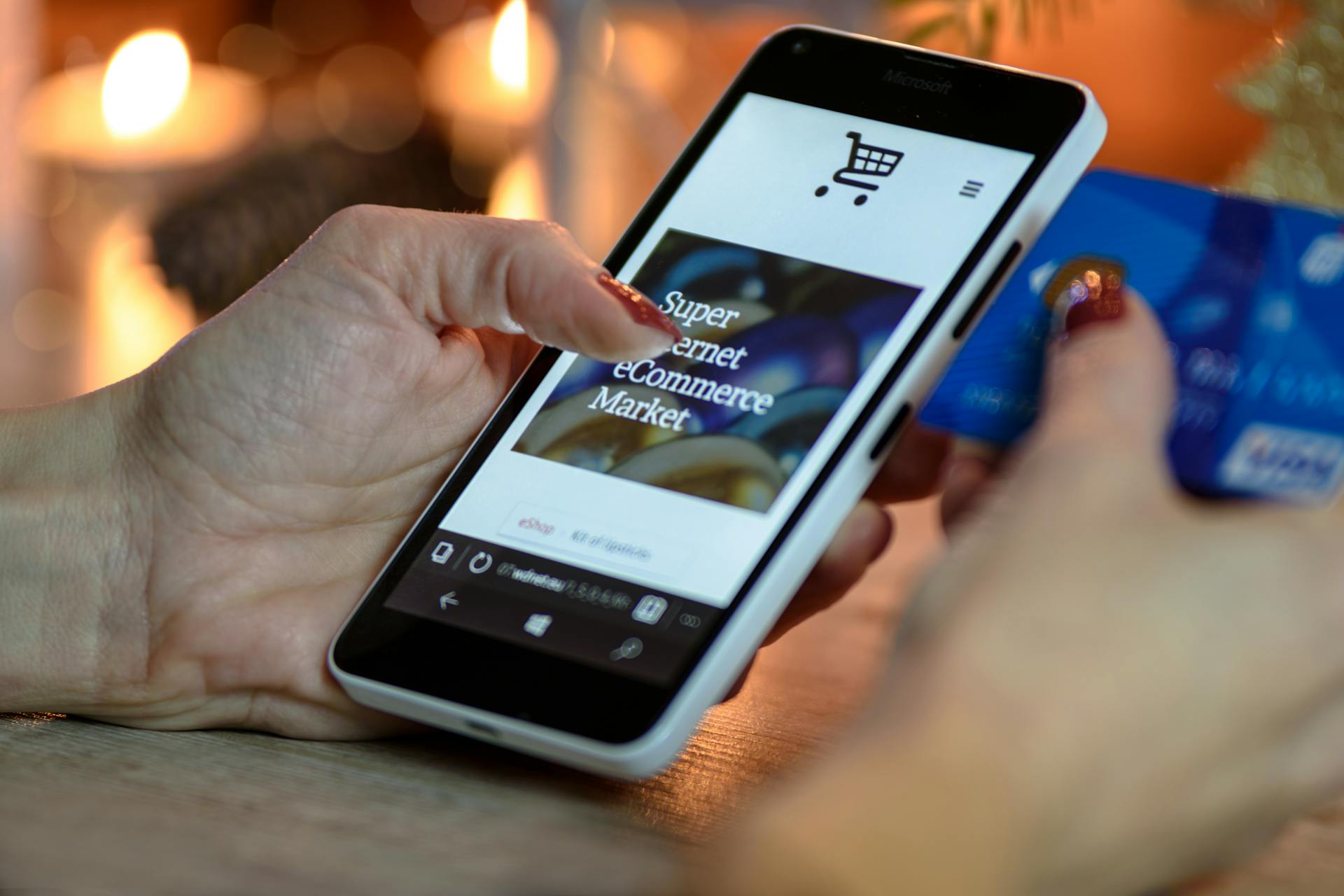
Travel has transformed completely during the last decade. The current travel system permits people to buy tickets two days before their journey while they book hotels through mobile applications and make work-related phone calls from airport facilities. The modern traveler is not a tourist in the classic sense. This person travels to different places while working on various tasks and personal projects. They can start their month-long stay in Lisbon, but decide to visit Berlin after working remotely from there. People now consider both destinations and their travel equipment as essential parts of their modern travel experience. The primary requirement for that main task is to think carefully about three aspects: physical objects, transportation methods, and digital system preparedness.
Packing Light as a Mindset
The weight of a suitcase directly determines whether a traveler will face excess baggage charges, according to seasoned travelers. People who fly with hand luggage perceive travel differently. They move through security checkpoints at increased speeds because they eliminate the need to wait for checked luggage, and they can change their travel plans with greater convenience. The ability to move about becomes vital when a flight gets canceled or passengers must switch to a train.
Travel journalists often encounter the same story: on their first trip, they take a 20-kilogram suitcase, and on their fifth, an 8-kilogram backpack. Over time, they learn that they only use half of their possessions.
Packing light represents a practical approach, not an ascetic way of life. The method functions as a strategic approach. The method decreases stress while providing individuals with control during unpredictable situations.
Smart Wardrobe and Essentials
The travel industry has established a wardrobe principle that requires professionals to create a “capsule” wardrobe. Streetwear footwear functions as all-day city walking shoes. The design uses minimal accessories, which provide maximum operational power. The same principle applies to all technological devices. The equipment includes a laptop, smartphone, compact charger with multiple ports, and a power bank. The setup requires no extra cables and no additional devices. The research demonstrates that people tend to forget essential items when their equipment setup becomes too complex.
Digital Essentials: Why Connectivity Matters
Today, the internet is not a convenience, but a basic travel infrastructure. Without a connection, it is impossible to:
- call transportation from the airport;
- confirm accommodation reservations;
- get a boarding pass;
- use online banking;
- hold a business meeting.
One common scenario is arriving in a new country late at night. The mobile operator’s office is closed, the airport Wi-Fi is unstable, and the apartment address is in the app. In such conditions, the lack of mobile Internet becomes a source of stress. That’s why experienced travelers decide on their connectivity in advance, before departure.
TooSim eSIM as a Modern Travel Tool
eSIM technology has changed the approach to mobile communications abroad. Unlike a physical SIM card, you don’t need to buy it at a kiosk and insert it into your phone. Connection takes place online in a matter of minutes.
Services such as Worldwide eSIM Store for travel from TooSim allow you to select a country or region in advance, pay for the tariff, and activate the internet immediately after landing. This is especially convenient for those who travel frequently or move between several countries.
For example, when traveling in Europe, you no longer need to buy a new SIM card in each country. One digital profile is enough.
In addition to convenience, eSIM helps you avoid high roaming charges from your home operator. For digital professionals, journalists, and entrepreneurs, this means stable connectivity without unpredictable costs.
In the context of the modern travel toolkit, eSIM is becoming as essential as a bank card or insurance.
Creating Seamless Travel Days
The concept of “seamless travel” is increasingly used in the industry. It means minimizing friction in the process of movement. A seamless day looks like this:
- The plane lands — the internet is already working;
- A taxi is called in a minute;
- Check-in is done with a digital code;
- A work call starts on time.
Behind this simplicity lies preparation. Offline maps saved in advance, electronic tickets, a connected eSIM, and bank notifications about the trip. The more processes are automated and thought out, the less random stress there is.
Slow Travel and Intentional Living
Interestingly, technology does not speed up our perception of life — on the contrary, it allows us to slow down. When everyday issues are resolved, there is room for real experiences: walks without a route, observing city life, and communicating with locals.
Slow travel is not about rejecting technology, but using it wisely. Digital tools take care of organizational tasks, freeing up time for meaningful experiences.
Travelers no longer spend hours searching for SIM cards or unpacking their luggage. They can focus on the content of their trip.
Conclusion
The contemporary travel toolkit contains two essential elements, which include its physical lightweight nature and its digital operational capabilities. The use of minimal luggage enables travelers to experience greater route flexibility while entering their desired locations. People can maintain secure operations through dependable communication systems that protect their activities. The experience demonstrates that only through combining these specific factors together will travelers obtain full comfort during their journeys.
The increasing border permeability and mobile work patterns of modern society require travelers to master rapid adaptation skills as their most essential competency. The practice of packing minimum luggage has now transformed into a standard requirement. The eSIM technology functions as the next step in this design philosophy.