

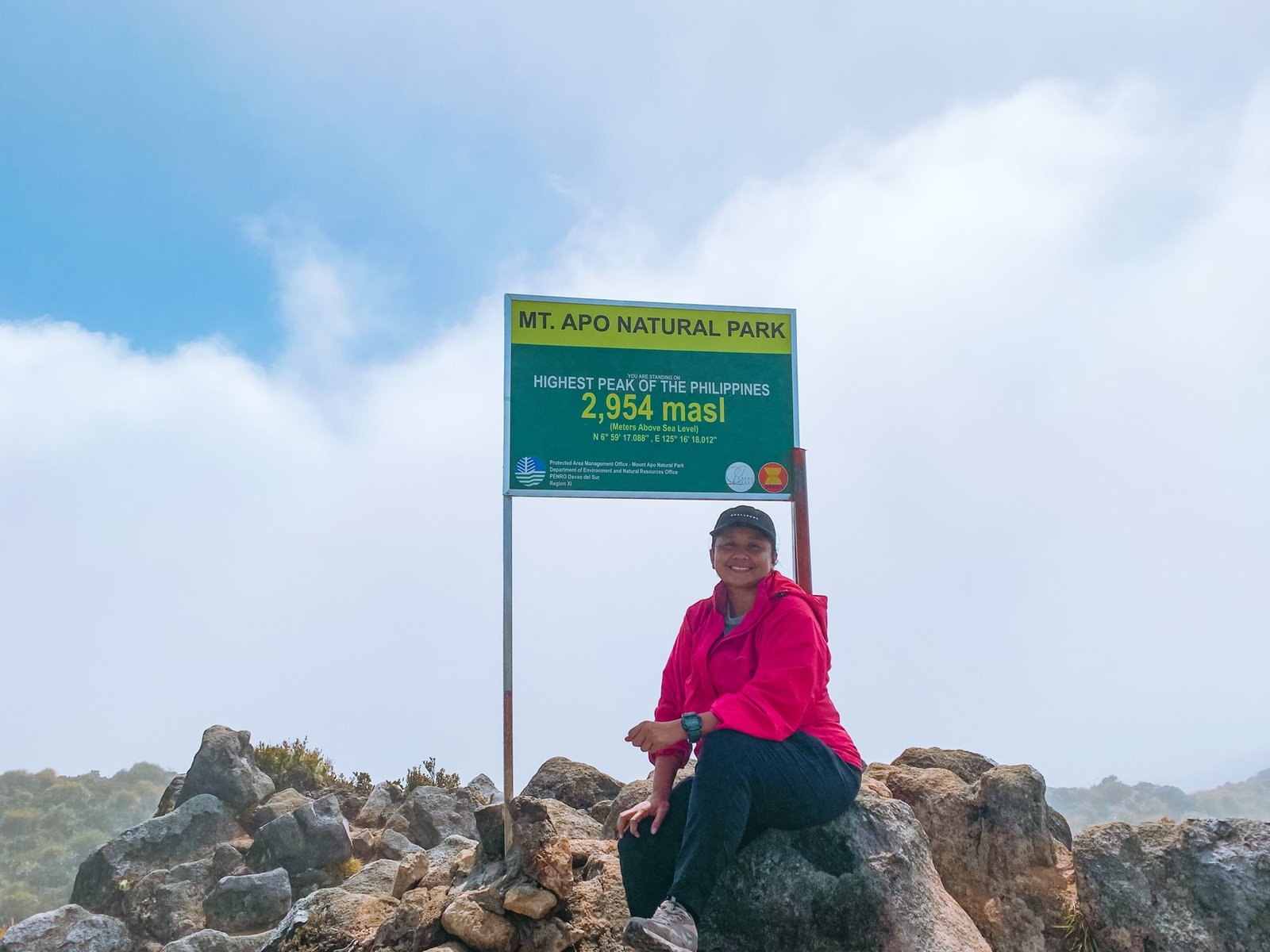
For Filipino mountaineers, Mt. Apo stands as the ultimate proving ground — a rite of passage that symbolizes strength, perseverance, and deep respect for nature. Towering at 2,954 meters above sea level, it is the highest peak in the Philippines, earning its reputation as the “King of Philippine Mountains.” More than just a physical challenge, Mt. Apo is a breathtaking journey through rich biodiversity and awe-inspiring landscapes, making it the perfect training ground for climbers aiming to conquer more demanding summits beyond the country.
What sets Mt. Apo apart is not only its formidable trails, which range from mossy forests and boulder-strewn ascents to steaming vents and sulfur craters, but also its role as a sanctuary for some of the rarest species on earth — including the Philippine eagle, one of the world’s largest and most endangered raptors. Its vast and varied ecosystems make each step of the climb a lesson in the wonders of natural conservation.
While demanding in both endurance and spirit, Mt. Apo rewards climbers with panoramic views, vibrant flora, and the deep silence of the highlands — a reminder that the journey to the top is just as beautiful as the summit itself. In this blog, I’ll be sharing our unforgettable Mt. Apo experience via the Sta. Cruz Circuit — a trail that offered both thrilling challenges and jaw-dropping scenery every step of the way.
OUR 3D2N MT. APO HIKING ITINERARY
The day began long before the sun did. At 4 AM, we stumbled into a sleepy tricycle ride, half-dreaming our way to the 7/11 at Digos Bus Terminal. The city was still cloaked in pre-dawn silence, the streets lit only by streetlamps and the occasional flicker of passing headlights. It was there we waited—backpacks slung low, spirits still somewhere between drowsy and excited—for our guide and organizer to arrive.
Thirty minutes later, his Suzuki Wagon rolled in like a faithful mountain steed. We packed our bags and squeezed ourselves inside, the scent of fresh adventure mixing with the subtle aroma of engine oil and the hum of anticipation.
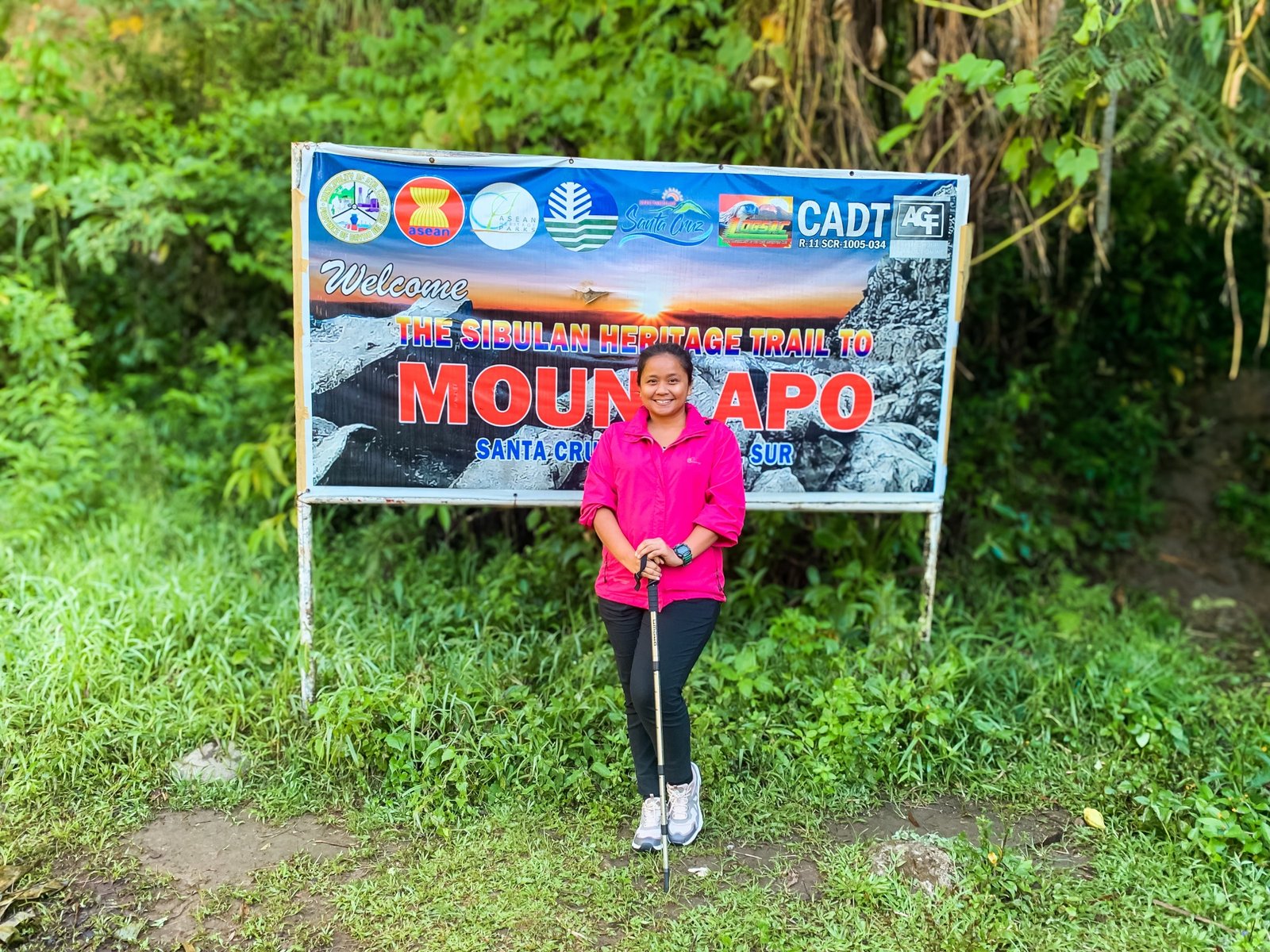
The hour-long ride to Kapatagan passed in a dreamlike haze. We dozed in intervals, occasionally waking to glimpse a sea of clouds stretching over the landscape like a giant cotton quilt. Our guide navigated the winding roads with confident ease, a quiet testament to the many times he’d done this before.
In Kapatagan Public Market, we stopped for breakfast. Not that any of us had the appetite—when you know you’re facing a mountain, a full stomach feels more like a liability than fuel. We settled for packing some fried chicken and rice to eat later, while our guide ducked into the market to gather supplies and provisions.


By 7 AM, we were on the move again, heading toward the registration area in Brgy. Sta. Cruz. The drive offered fleeting glimpses of Mt. Apo’s summit from every direction—views so majestic they almost seemed foreign, like something you’d only see abroad.
Twenty minutes later, we reached the geothermal plant, our official jump-off point. But before we could claim any headway on Mt. Apo, the mountain demanded its first toll: a hike just to reach the registration post.


The trail began as a gentle ascent but quickly reminded us that nothing about Mt. Apo comes easy. Our packs, which were intentionally light, somehow felt oppressively heavy—as if the mountain was weighing our resolve. We resisted hiring a porter out of pride and a sense of challenge, but reality had other plans. That decision, though temporary, would soon change.
We finally reached a small mountain village—rustic houses, a basketball court, and the hum of simple living. Here, we registered, paid the necessary fees, and met our porter, who would prove to be more than just a helping hand. He was a quiet source of encouragement and energy, someone who made the trail feel lighter in more ways than one.


At 8 AM, under a now-blazing sun, our true hike began. We walked past village homes and rice paddies, sun burning down, doubt creeping in. My only burden at that point was a water bottle, but even that seemed a challenge. I found myself questioning if I had it in me. The summit seemed so close in the sky but impossibly distant in effort.
Relief came as we entered the tropical forest, where the tree canopy offered shade and sanctuary. Something shifted in me there. The cool air, the filtered sunlight, the earthy scent—it was rejuvenating. The steep, root-laced paths felt more like an invitation than an obstacle. My body responded with unexpected strength, and suddenly, I believed again.


I marveled at Mt. Apo’s rhythm: steep climbs followed by stretches of forgiving flat trails. It was as though the mountain knew how to push and when to give us a break. The trail from Basakan to Tinikaran was tough, yes, but beautiful in its relentlessness. The near-vertical climb to Big Rock E-camp tested everything—knees, lungs, willpower—but after that, every step felt like a small victory.
At 1:30 PM, I reached Tinikaran Campsite. Our guide greeted me with a sharp quip: “If you had taken until 2 PM to reach here, I would no longer allow you to hike the summit tomorrow.” I knew I hadn’t set any speed records, but I also knew I had hiked with intention—pausing to breathe, to admire, to endure on my own terms.


Was it uncalled for? Absolutely. But I chose to let it go. I had earned my arrival, and that was enough. Besides, I owed him nothing. It was Richard, our porter, who stayed by my side every step of the way—quietly supportive, never rushing, never judging—while our guide had long left us behind, as if we were a burden too heavy to be worth his time.
After a cool, refreshing bath (yes, we were lucky to have one), I stretched out, my body finally allowed to rest. I dozed off briefly, letting the sounds of the forest cradle me. At 5 PM, we gathered for dinner. We ate with the quiet satisfaction of people who had climbed part of a mountain and found pieces of themselves along the way.


The second day of our Mt. Apo adventure began in darkness and silence, save for the soft drizzle falling over our camp. It was 2 AM when we broke camp, our bodies still half-asleep but our hearts fully awake, brimming with anticipation. The breeze was colder than the day before, each gust a reminder of the mountain’s quiet power—but our spirits only burned brighter.
At exactly 2:45 AM, under the faint glow of our headlamps, we began the summit assault. The world was a canvas of shadows, our footsteps the only sound on the damp, root-strewn trail to Tinikaran Camp 2. Despite the slippery path and brief climbs, we covered the section in just 30 minutes. We paused for a breather, watching the darkness slowly start to shift with the approaching dawn.


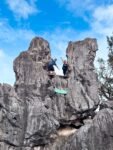
By 3:45 AM, we stood at the foot of Mt. Apo’s iconic boulder face. What lay ahead was a test of strength and patience—massive rocks stacked like a staircase built for giants. One careful step after another, we scrambled up the boulders, our legs stretching and bracing with each effort. The reward we imagined—a breathtaking sea of clouds—pushed us forward.
We reached the top of the boulder section by 5:30 AM, only to be greeted by thick fog and a sun that refused to show itself. The cold had turned sharper, seeping through layers of clothing and clinging to our skin. It was hard not to feel disappointed; this was the moment we had all been waiting for. But sometimes, the mountain has its plans.


We decided to have breakfast there, hoping warmth would lift our spirits. But my stomach turned away from the food—I settled for a cup of coffee that chilled almost as fast as it was poured. Disheartened, I stared out into the mist, trying to make peace with the absence of what I had imagined. Then I remembered everything else: the surreal terrain of boulders, the towering trees we passed, the hiss of sulfur vents, and above all, the bond growing stronger among us climbers. This climb was more than one summit—it was a collection of moments stitched together into something far richer.
With that thought, something shifted inside me. I picked myself up, steadied my resolve, and pushed forward.
And that’s when the magic began.


We stumbled upon a patch of wild berries—tiny specks of red dotting the misty landscape. From there, it was like the mountain had decided to reveal its beauty in its own time. Every turn felt like a portal into a dream. When we reached the White Sand area, I fell head over heels in love with Mt. Apo all over again. The terrain was surreal, soft sand underfoot and a haunting stillness that made the fog even more enchanting. It felt like we were walking through a movie set—only more vivid, more alive.
We lingered, took photos, the summit shyly watching us from a distance through the fog. It felt close, yet still slightly out of reach.


We continued the final leg of the hike toward the crater. The trail became noticeably steeper from this point, with more sections that demanded scrambling and climbing over sharp rocks and loose earth. The challenge was real, but so was the thrill. Then someone pointed—a window through the fog revealed the much-awaited sea of clouds.


We quickened our pace, rushing to the crater in hopes of catching it in full. The sun had already risen, but it did little to chase the cold away. Every breath still hung in the air. And then, there it was—the crater.
A vast, otherworldly basin surrounded by ridges and ridgelines, and above it all, the sea of clouds danced as if it knew we were watching. It was hard to focus on anything else. The sight commanded our full attention, and for a long moment, we were just still—awed, grateful, silent.


Looking back, I realized how quickly things could change on Mt. Apo. The morning started gloomy, even disheartening, and now here we were—bathed in light, gazing at something impossibly beautiful. With renewed vigor, we set off for the final ascent to the summit.
It took everything I had left—on an empty stomach, every step felt like lifting stone. But I refused to give in. At exactly 8 AM, we reached the highest point in the Philippines.


I stood there, breathless—not just from the climb, but from joy. Words couldn’t capture how happy I was. In that moment, I knew: whatever happens after this, I’ll manage. I was living. I didn’t care about the gusting winds or the sky’s fickle moods. I had made it.
We spent time on the summit and explored the other peaks nearby. We took more photos, laughed at nothing, and simply basked in the triumph. But eventually, the time came to descend—next stop, Lake Venado.


The descent turned out to be the real challenge. It was a knee-breaking, soul-testing stretch that proved far more demanding than the climb to the summit. The trail dropped steeply, some parts requiring ropes and the support of sturdy grasses just to keep us from slipping. The trail was a mix of dry, loose soil and wet, slippery patches. Every step demanded focus.


From the exposed trail lined with tall cogon grass, we soon entered dense tropical forest. It was immediately clear this route would have been even more brutal to ascend. But despite its difficulty, it offered a kind of beauty I hadn’t expected. When we reached the mossy forest, it was like stepping into a fantasy. Trees blanketed in green, mist swirling through the air—it felt like the world of elves and magic.
It took us five grueling hours to reach the Lake Venado campsite, arriving at around 2 PM. The final stretch was the most punishing. The trail grew steeper and more painful with each step, and my knees felt every inch of it. I was careful not to slip, hyper-aware of the toll my body was taking. But I made it. I survived.


At Lake Venado, our guide was already waiting with a hot meal. I knew I had been through a lot—I could feel it in every part of my body. But oddly, I wasn’t hungry. All I wanted was a bath and a quiet spot to finally doze off, my heart still full from everything I had just experienced.
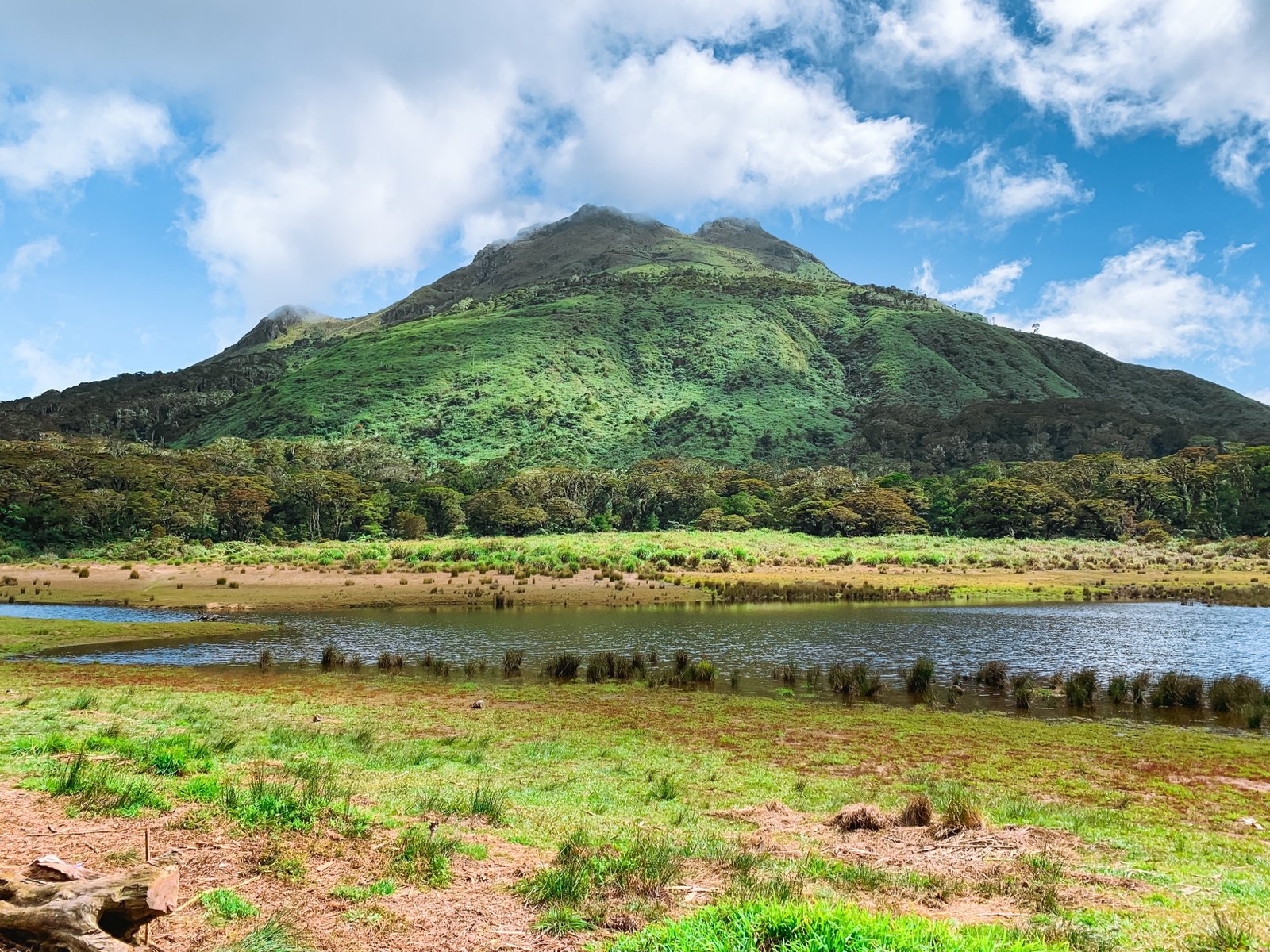
The day began early—2:00 AM early. We rose beneath a starlit sky, the peak of Mt. Apo vividly outlined against the darkness, casting a silhouette over the quiet calm of Lake Venado. The lake itself mirrored the heavens—a glassy, ethereal reflection that made it difficult to look away. It was one of those moments that made every ache and blister feel worthwhile.
But serenity had its limits. The rowdy group that had been drinking since day one was still going strong. Their voices echoed through the camp like an unwanted reminder that even the roof of the Philippines wasn’t immune to inconsiderate company. I had hoped to escape these types of campers in a place so sacred—but they had found their way here too.
Rather than let them ruin the moment, I chose to tune them out. I tilted my head toward the stars, lost in thoughts of distant galaxies and alternate universes. At around 4:00 AM, sleep claimed me once more until the warmth of the morning sun woke us again at 6:00 AM.


We were greeted by the mouthwatering scent of fried eggs and tocino wafting through the crisp mountain air. I don’t know about you, but breakfast meals are sacred to me—delightful any time of the day. The aroma of freshly brewed coffee teased my senses. I didn’t even need a sip to feel alive.
After breakfast, we began breaking camp, savoring a few more precious moments beside the lake. The peak was now shrouded in a veil of white clouds, almost as if bidding us goodbye. At 7:45 AM, we were the first to leave. Our guide told us it would be a long walk back to the village—about five hours, he said. I smirked. He didn’t know who he was dealing with.
The trail began with an ascent along the soft, slippery earth that surrounded Lake Venado. As we climbed, the lake revealed its full glory below—more stunning from a height than it had been up close. Our guide moved ahead, stopping only at tricky sections to ensure our safety. At least he hadn’t entirely forgotten his role.


About an hour in, the other group began to catch up. We didn’t mind. In fact, we were keeping an eye out for Cerena and Melanie—the last two to arrive at Lake Venado the day before. We had felt for them, abandoned by their group and left to navigate the forest alone until nearly sunset. We promised ourselves we’d look after them this time.
Once Richard, our ever-reliable porter, caught up with us, our guide passed the torch and disappeared—last seen sitting at the far end of a log bridge over a stream. The drop wasn’t high, but a fall would’ve hurt. We crossed it carefully, each of us taking videos of our brave little feat.
The trail that followed was scenic, peppered with steep but manageable ascents and descents. We could hear waterfalls hidden by dense forest, teasing us with their distant roars. The hike was steady and beautiful—lush greenery, earthy trails, and the comfort of good company.


By noon, we reached the famed Centennial Tree. It was our lunch stop. I handed my extra cup of rice to Richard—he deserved it more than I did. I rarely have the appetite to eat heavily while hiking; trail mix usually does the trick. A full belly tends to turn into nausea anyway.
At 1:00 PM, we resumed our descent. Richard warned us about the possibility of being caught in the dark, so I rallied the group to pick up the pace. Ai—my longtime hiking buddy—and I could’ve gone faster, but we stuck with Cerena and Melanie. No one gets left behind. When I asked Richard if our pace was okay, he hesitated. I urged him to be patient.
He had been reluctant to take responsibility for Cerena and Melanie, since they weren’t under our care, but I reminded him of the day before when they were stranded and soaking wet while we were at risk of hypothermia. He understood. The weather was on our side this time.
The trail past the Centennial Tree was longer than expected, but also the most picturesque. Verdant forest paths, streams, and the occasional clearing where the light filtered through the canopy. Despite the challenge, we had fun.
At 3:30 PM, we finally emerged from the forest to the sight of the valley below—expanses of rice paddies and rolling terrain. We were thrilled just to be on level ground again. Richard led us to a resting hut where we toasted our descent with a bottle of cold Coca-Cola. A small celebration, but a sweet one.
Cerena and Melanie rode horses the rest of the way to the village. Ai and I chose to walk.


At 4:00 PM, we started the final stretch along narrow roads and rice fields. Our legs were weary and trembling, but we kept going. Around 30 minutes in, we stopped at Richard’s house. He changed into his slippers, and I joined his uncle and cousin for a drink of tuba. It was freshly tapped—sweet with just a whisper of sourness. Perfect.
By 5:00 PM, we arrived at the village. Our guide was there, holding our summit certificates. I told him about our descent, how we took our time and still beat the sunset, how we watched over our fellow hikers, and how we stopped by Richard’s place to share a drink. He didn’t seem impressed. I didn’t care.
We didn’t even shower. After a short rest, we began the walk back to the parking area under a twilight sky. Ai went with our guide—she had just gotten her period and was eager to clean up. I was left with Richard, whose kindness remained unwavering. When we arrived, we gave him more than what was agreed upon. It still didn’t feel like enough, but his warm smile said it all.
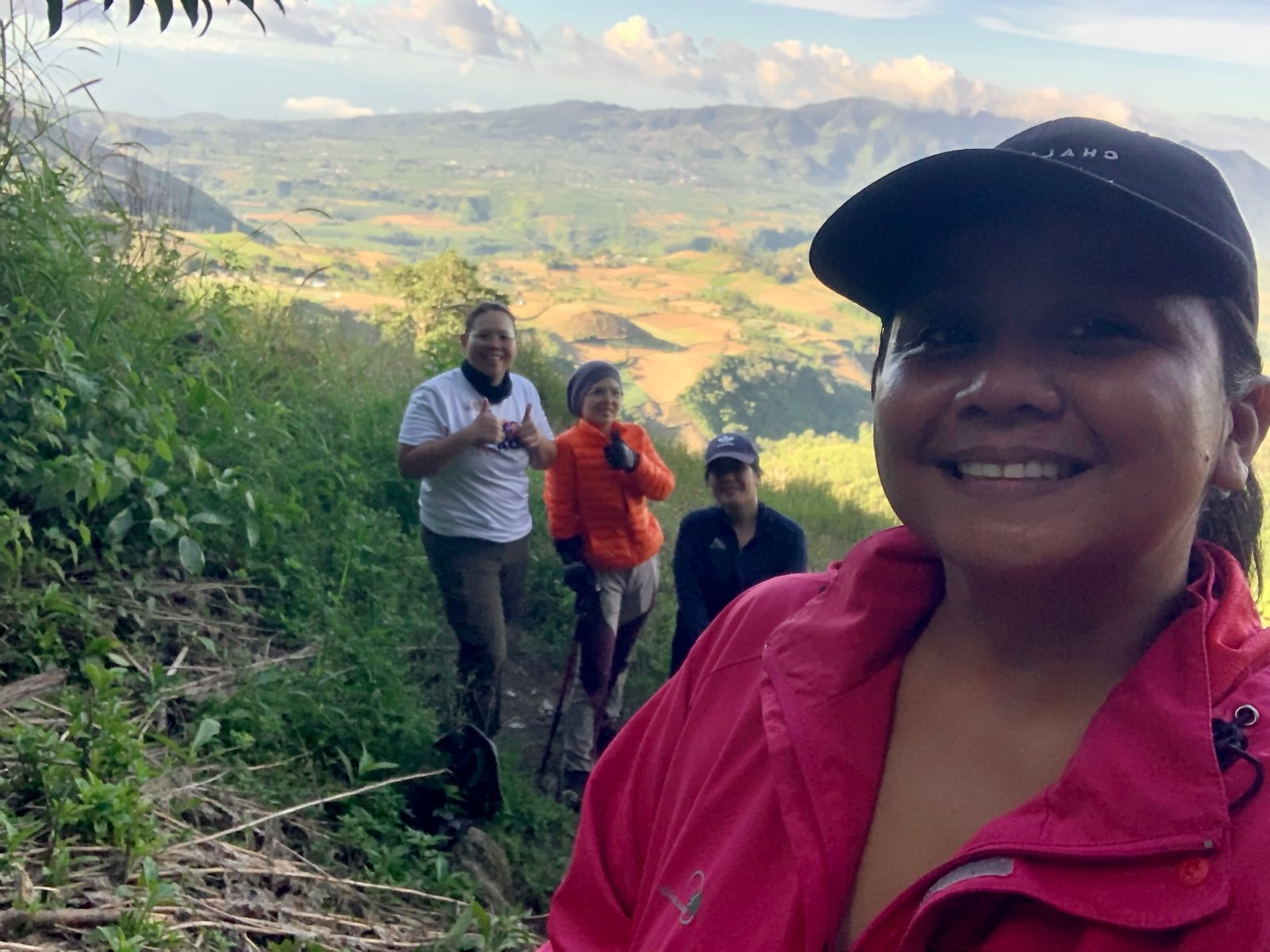
We loaded into the guide’s wagon and started the drive back to Digos City. Ai and I had wanted to treat our guide to a nice dinner, but he wasn’t up for it. At the terminal, he seemed distant. I didn’t force a connection—just offered a quiet goodbye.
On the bus ride back to Davao, Ai and I shared our reflections. I had thought I was just being overly sensitive about our guide’s indifference—but she felt it too. Still, we chose to focus on the bright side.
We survived Mt. Apo unscathed.
We made new friends.
We shared stories and laughter and moments we’ll never forget.
And at the end of it all, that’s what truly matters.
GETTING TO MT. APO: LOCATION, LOGISTICS, & ESSENTIALS
HOW TO GET THERE
🛣️ Step 1: Travel from Davao City to Digos City | Mode of Transport: Bus or van Where to go: Head to the Ecoland Bus Terminal in Davao City. Ride: Take a bus or van bound for Digos City (travel time: 1.5–2 hours). Fare: ₱120 |
🚐 Step 2: From Digos City to Sitio Culan | Mode of Transport: Motorcycle (habal-habal) or chartered vehicle Where to go: From the Digos terminal, take a habal-habal to Sitio Culan, the jump-off point (travel time: 1–1.5 hours). Fare: Habal-habal fare is around ₱300 - ₱500, depending on negotiation. |
🧗♂️ Step 3: Register and Prepare for the Climb | Registration: In Sitio Culan, you’ll need to pay entrance/environmental fees. Guide and Porter: It’s mandatory to hire a local guide (and porter if needed). These can be arranged in advance or on the spot. Note: It’s best to contact a trekking organizer or local guide service weeks or months ahead for permits and logistics. |
🥾 Step 4: Begin Your Trek to Mt. Apo | - The trek usually takes 2–3 days round trip, depending on your pace and trail conditions. - Campsites along the way include: 1. Tinikaran Campsite (before the summit push) 2. Lake Venado |
TAKEAWAYS


 When you’re in a high-altitude environment, it’s vital to be prepared for any situation. Ensure you’re physically fit through regular exercise and familiarize yourself with your equipment. Mentally, practice staying calm under pressure and develop problem-solving strategies. Thorough preparation will enhance your experience and help you adapt to unexpected challenges..
I experienced intense anxiety in the days leading up to the climb. It was overwhelming to the point where I considered quitting. Despite spending five weeks preparing—during which I climbed two mountains, completed difficult hikes to see waterfalls, and lifted weights at the gym four to five days a week—I doubted my abilities. The only area I neglected was cardio training, which I believe was the most crucial aspect to address since I have asthma and need to improve in that area. However, all my worries faded as soon as I hit the trail. The lesson I learned from this experience is: “Don’t give up on yourself without even trying.”
It is very important to undertake this risky adventure with people you trust and know well. As I mentioned, anything can happen up there. In addition to making thorough preparations, it is essential to be with those you can rely on. Once you’re up there, it’s difficult to count on strangers, as everyone will be focused on looking after themselves.
For this hike, I was with Irene — a familiar face on the trail and an even better travel companion. We’ve shared adventures before, including an unforgettable night at the summit of Mt. Romelo. I knew I could count on her, and like always, we had each other’s backs every step of the way.
Don’t be afraid to acknowledge your limitations. Initially, we planned to hike without a porter, but we quickly realized that this was a mistake. Carrying heavy bags made the climb significantly more challenging. While I could probably have survived and completed the hike without a porter, I wouldn’t have enjoyed the experience as much.
There is no shame in quitting. If at any point you feel that you truly cannot continue, then acknowledge it. This spares those around you from difficulties later on.
Discover your own pace. There is no race or competition. In the end, it won’t matter who reached the summit first or who finished the fastest. What truly matters is making it out safely and enjoying every moment along the way.
Be equipped with the right gear and knowledge. Familiarize yourself with the mountain as thoroughly as you understand the appropriate size and type of shoes to wear during the hike, as well as the jacket that will keep you warm through freezing nights up there.
It’s crucial to communicate with your hiking buddy because we all have different paces. Some of us hike faster than others, so having a hiking plan and being considerate is essential. If you’re a fast hiker, make sure not to leave your friends behind. If you tend to hike more slowly, choose a pace that allows you to keep up without falling too far behind. Look for the best terrain to compromise on your speeds. It can also help to use radios to stay updated on each other’s locations.
USEFUL TIPS
| ✅ 1. Prepare Physically and Mentally |
|
| 🎒 2. Pack Light, But Smart | Essentials to bring:
|
| 🌦️ 3. Be Ready for the Weather |
|
| 🧭 4. Get a Legit Guide |
|
| 🍃 5. Respect the Environment and the Locals |
|
| 🧘 6. Acclimate and Pace Yourself |
|
| ⚠️ 7. Safety First |
|
| 📸 8. Enjoy the Journey |
|
HOW DID I PREPARE FOR THE HIKE TO MT. APO


I didn’t begin preparing for this hike until the weeks leading up to it. The climb was scheduled for the third week of February, and I started my preparations in the second week of January, after the holiday festivities had ended. It was challenging to maintain my workout routine while also being invited to reunions filled with food and drinks. Here’s what I did to get ready for tackling Mt. Apo, despite having asthma and scoliosis.
- Climbed two mountains: The plan was to hike in the mountains every week, but all the trails in Bukidnon were closed except for Mt. Capistrano and Panimahawa Ridge. While these hikes weren’t particularly difficult, they still offered the challenge I needed to get my body ready for more demanding adventures.
- Chased Waterfalls: To make up for not being able to hike as many mountains as I can, I found joy in chasing waterfalls. The more technical trails leading to each waterfall helped me develop my grit. One of my favorite trails was the one that led to Kimatahay Falls. It was particularly challenging, both going down and climbing back up.
- Lifted Weights: I went to the gym five days a week, focusing on weightlifting to build my strength. I concentrated on leg workouts, including weighted lunges, squats, leg curls, and deadlifts. I know that I’ll need strong legs to endure a three-day hike.
- Minimal Cardio: Whenever I go to the gym, I run on a treadmill for 10 to 15 minutes. It’s not something I particularly enjoy because it leaves me gasping for air, but I know I have to do it. Additionally, I walk 10,000 steps in Kaamulan Park to complete my cardio for the day.
- Properly Hydrate: I’m not particularly fond of drinking water, especially during hikes. However, staying hydrated is crucial for maintaining good physical condition while hiking, as it helps reduce fatigue and cramps. Knowing that I wouldn’t enjoy drinking water during the climb, I made sure to hydrate well before we set off. I drank eight glasses of water each day or consumed ionized drinks like Gatorade or Pocari Sweat during my workouts.
- Well-balanced diet: I focused on eating healthy by eliminating junk food and starchy items from my diet. My meals typically included green leafy vegetables, lean protein, and healthy fats. I also incorporated potassium-rich foods like bananas and avocados. In addition to losing weight, this diet helped me get my body into better shape.
- Bought Essentials: I purchased new hiking shoes and a bag, then broke them in on the trail. This helped my feet adjust to the footwear, reducing the likelihood of injuries. Wearing my bag during hikes also allowed me to assess how much weight I could comfortably carry.
WHERE TO STAY BEFORE THE HIKE
Hikers typically stay in Davao City and commute to Digos City on the day of their hike. Davao City is a great place to relax and relieve stress before your adventure, as it offers plenty of leisurely activities. Additionally, it’s an ideal location for last-minute shopping for essentials. If you plan to stay in Davao City, here are some accommodations you might consider.

Hop Inn Hotel Davao
Address: J.P. Laurel Ave, Agdao, Davao City
– A perfect base for relaxation and exploration in a modern setting. An eco-friendly comfort at Hop Inn Hotel Davao, ideal for solo travelers

The Apo View Hotel
Address: 150 J Camus Street, Poblacion, Davao City
– A stunning property perfect for solo travelers seeking a memorable stay. Enjoy spa pampering, delicious meals, nearby attractions, and an exciting nightlife experience at the onsite nightclub.

Go Hotels Lanang
Address: KM 7 J.P. Laurel Ave. Lanang, Lanang, Davao City
– A budget-friendly stay and an eco-friendly hotel in bustling Davao City. Perfect for solo travelers.
There you have it, lovelies. That’s it for my hike to the top of the Philippines. Although reaching this summit was a highlight on my bucket list, it doesn’t mean my adventure is over. My admiration for the beauty of Mt. Apo will last a lifetime. Who knows, I might find myself atop its summit again soon. We’ll see, so stay tuned! To keep tabs on my adventure, just follow me on Facebook and Instagram. Until next time. Ciao!
Discover more from A Wanderful Sole
Subscribe to get the latest posts sent to your email.

2 Comments
Sino po yung guide/tour na sinalihan niyo po? Para po maiwasan 😅
I had completely forgotten about him since I tend to subconsciously bury people tied to unpleasant memories. Sinearch ko pa mga old messages ko. His name was Arjay and goes by the name “Anak Gubat”.