

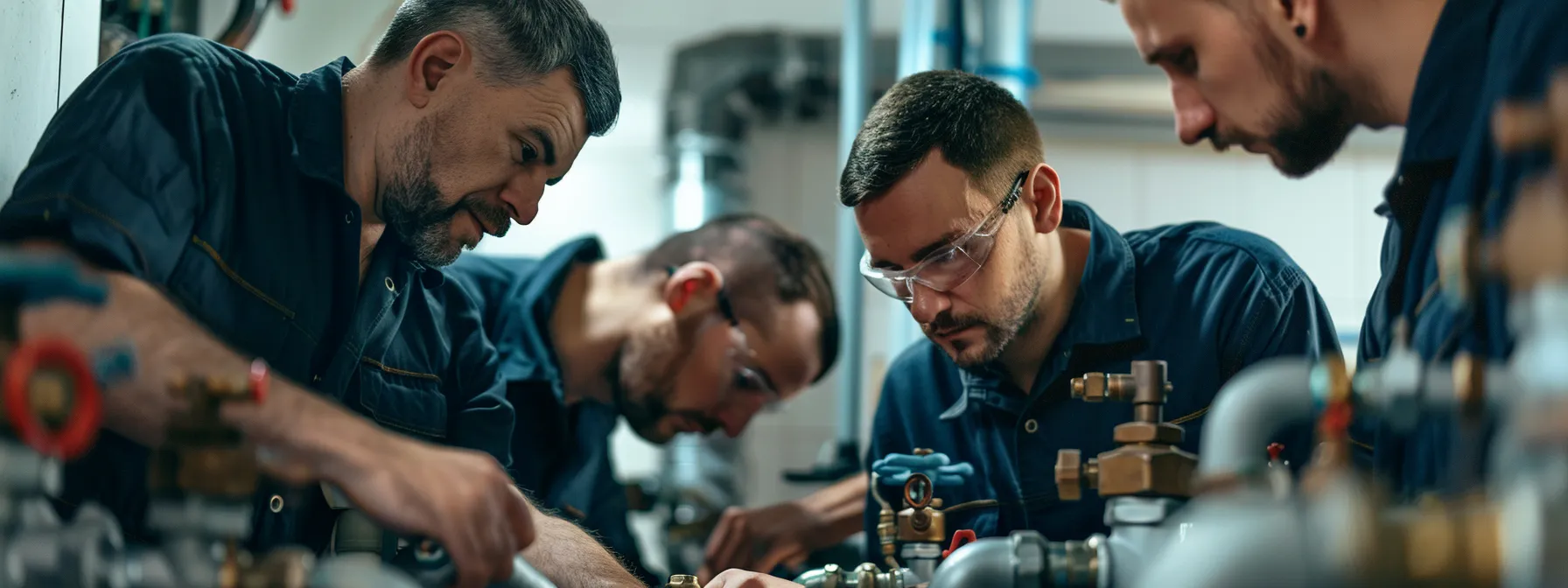
When faced with a plumbing issue, homeowners should exercise caution in selecting a plumber, considering that inadequate services can lead to further damages and expenses. According to the U.S. Bureau of Labor Statistics, there are over 480,000 plumbers in the United States, each varying significantly in terms of skillset and experience.
This comprehensive guide focuses on the vital questions homeowners should ask before hiring a plumber to ensure reliable and high-quality services. Below, you’ll discover how to assess their credentials, understand pricing structures, verify licensing, and determine their availability for emergencies.
Assessing Plumber Credentials and Experience
Verifying a plumber’s credentials and experience is fundamental in predicting the quality of work they will deliver. A seasoned plumber not only brings a wealth of hands-on expertise but also an intuitive understanding of complex problems, leading to faster and more efficient problem resolution.
Before hiring, inquire about the plumber’s years of service, types of jobs frequently handled, and plumber references from previous customers. Testimonials and case studies can be particularly telling, as they provide real-world examples of the plumber’s capability.
Documentation such as certifications or specialized training from accrediting bodies can also be pivotal in assessing competency. Homeowners should insist on seeing relevant certifications that ensure the plumber is updated with the latest techniques and technologies in their field.
Understanding Pricing and Payment Structures
Plumbing costs can vary widely, making it crucial to understand a plumber’s pricing and payment structures up front. Transparent pricing models prevent misunderstandings and ensure that both parties are clear about the financial arrangements.
Inquire about how they charge — whether it’s a flat rate or hourly fee — and what is included in the price. Always ask for an upfront estimate before work commences to avoid unexpected charges. Effective financial planning helps homeowners manage costs while addressing necessary repairs.
Also, clarify the payment terms such as deposit required, when the payment is due, and acceptable forms of payment. This protects against any payment disputes that might arise post-service.
Checking for Proper Licensing and Insurance Coverage
Ensuring that a plumber is properly licensed and insured is not just about legality; it’s about safety and protection of your property. Licensed plumbers have met the industry standards required by local or national authorities, while insurance covers potential damages incurred during the job.
Ask to see proof of both licensing and insurance. This verification offers peace of mind knowing you’re dealing with a legitimate professional who adheres to regulatory standards and can cover costs in case of mistakes or accidents on the job.
Moreover, it’s essential to validate the specifics of the coverage, including the types of damages or situations covered, as this significantly influences the security against possible liabilities.
Evaluating Availability and Emergency Services Options

An oft-overlooked aspect when hiring a plumber is their availability and readiness to handle emergencies. Immediate response can be crucial in plumbing emergencies to prevent extensive damage and costly repairs.
Check whether the plumber provides 24/7 emergency services and how quickly they can realistically respond to a call-out. The ability to offer prompt action can be a deciding factor, especially in urgent situations. Home safety should always be a priority.
Additionally, evaluate their proximity to your location and how it influences their ability to respond swiftly. Local professionals might provide faster service compared to someone who has to travel a considerable distance.
Ultimately, hiring the right plumber involves careful consideration of their professional credentials, understanding their financial terms, verifying legal compliance, and assessing their availability for emergency situations. By addressing these key questions, homeowners can feel confident in their choice, ensuring that they receive efficient and effective plumbing services tailored to their needs.


1 Comment
very good blog